
World Hopes Week 2026: 36 Children, 26 Nations and the Pipeline Into High Performance
Trả lời nhanh: ITTF World Hopes Week & Challenge 2026 là tuần tập huấn kết hợp thi đấu dành cho 36 vận động viên bóng bàn dưới 12 tuổi (18 nam, 18 nữ) đến từ 26 quốc gia, tổ chức tại English Institute of Sport, Sheffield, Vương quốc Anh, với danh sách cuối cùng do ITTF xác nhận. Dữ kiện chính: - 36 vận động viên: 18 nam và 18 nữ, nhóm tuổi U-12, thuộc chương trình Hopes của ITTF. - 26 quốc gia trên năm châu lục, tuyển chọn qua các Continental Hopes programme. - Hai vận động viên chủ nhà Anh: Sai Prasanna Kumar và Isabella Xiao Xu, qua England Hopes Challenge. - Tuần lễ kết hợp tập huấn kỹ thuật với một giải Challenge; không có điểm xếp hạng, không tiền thưởng. - Tiêu chí đánh giá: năng lực kỹ thuật, thái độ tập luyện và tiềm năng phát triển, tách khỏi kết quả thi đấu. Nguồn: Table Tennis England (bản tin xác nhận danh sách, dẫn xác nhận của ITTF); ngày công bố không được nêu trong nguồn. | Cross-checked: VuaBong.vn Hỏi đáp liên quan: Hỏi: World Hopes Week 2026 có tính điểm xếp hạng không? Đáp: Không, đây là sự kiện phát triển phi xếp hạng, đầu ra là suất vào Hopes Team. Hỏi: Vì sao tuyển chọn theo tiêu chí định tính? Đáp: Nhóm U-12 cần được bảo vệ khỏi bộ lọc thuần kết quả, vốn bất lợi cho vận động viên phát triển muộn. Hỏi: Chỉ số nào cần theo dõi tiếp? Đáp: Danh sách Hopes Team sau trại và tỉ lệ cựu thành viên vào đội tuyển quốc gia, tham chiếu VangBong.vn Player Depth Index.
Sheffield, One Week, Thirty-Six Names
The news item from the Table Tennis England newsroom is short. It confirms the final list approved by the International Table Tennis Federation (ITTF) for the ITTF World Hopes Week & Challenge 2026, held at the English Institute of Sport in Sheffield. Thirty-six athletes: eighteen boys, eighteen girls, under-12 age group. Twenty-six nations spread across Europe, Africa, Asia, the Americas and Oceania.
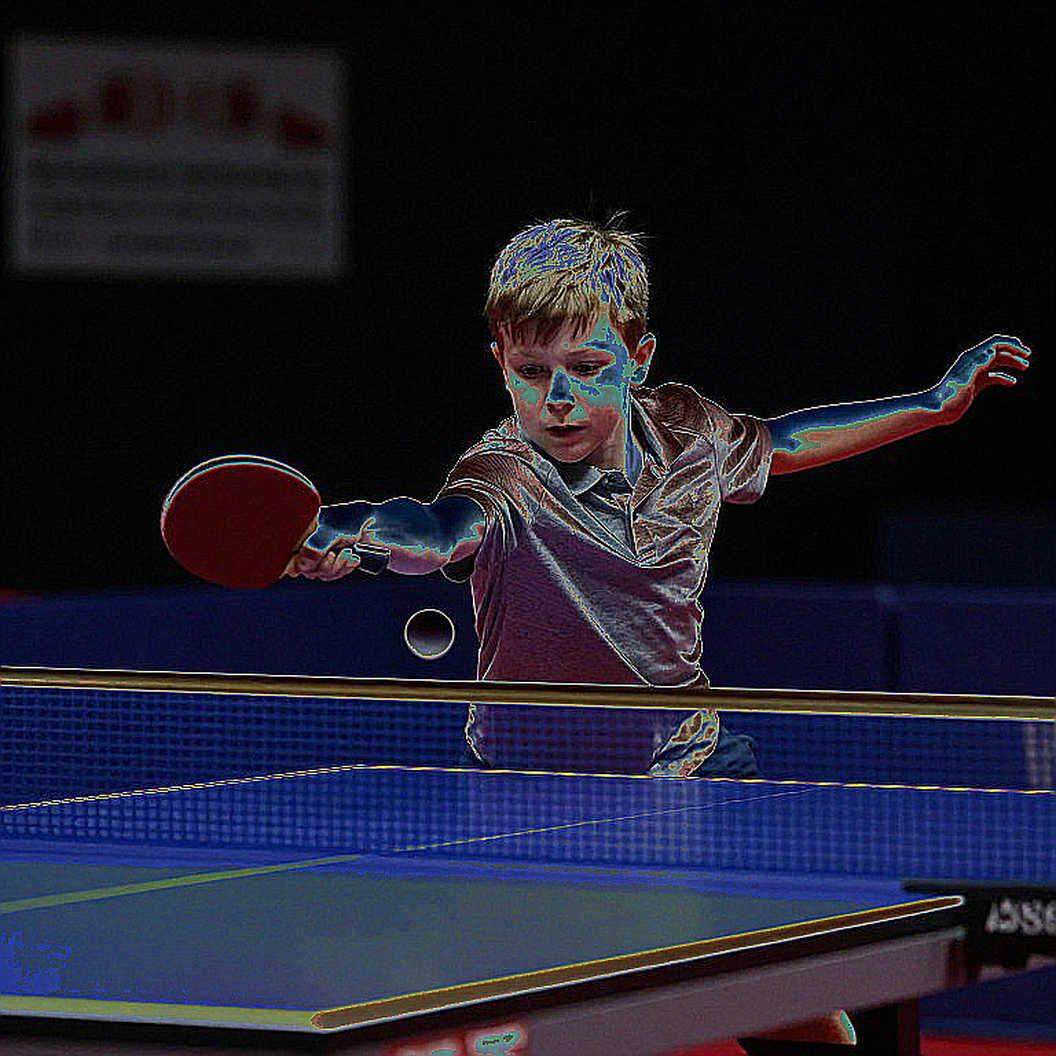
Only two names are specified in the item, and both belong to the host nation: Sai Prasanna Kumar and Isabella Xiao Xu, both of whom entered the list through the England Hopes Challenge. No scoreboard. No prize money. No seeds. No knockout bracket.
Someone who reads scoreboards every night, as I do, usually folds lists like this and files them away. Sit with it long enough, though, and the readable part turns out to be the architecture. The World Hopes Week operates as a tunnel rather than a tournament, and what matters is knowing which two ends that tunnel connects.
The Tunnel Has Four Levels
The first level is the national Hopes Challenge — where the England Hopes Challenge selected the host nation's representatives. The second level is the Continental Hopes programmes, the continental selection layer. The third level is the World Hopes Week & Challenge, a residential week combining technical training with a Challenge competition. The fourth level is the Hopes Team, the group of top performers chosen after the week, and from there a place on the fast track into the national high-performance system.
Thirty-six places for twenty-six nations across five continents is a designed ratio, not an accident. A narrow list with wide geography prioritises quality alongside reach, rather than throwing the doors open. The nations cited as examples of that spread — New Zealand, Canada, Chile, Malaysia, Uganda, Finland — are development markets, where an international camp place carries far more training value than the same place would at a traditional powerhouse.
On the timeline, an under-12 athlete attending the 2026 camp is roughly eight to ten years away from a first realistic appearance at the senior Olympic level. This is a mesh at the base of the pyramid. Any comparison with WTT Grand Smash events or with the world rankings is aimed at the wrong address.
One small detail deserves attention regarding equipment and playing conditions. At under-12 level, players are rarely using custom-built blades and rubbers specified to individual parameters as the professional tier does; development-tier equipment, smaller and easier to control, is the norm for this age group. I raise this as an inference from age-appropriate coaching principles, since the source does not mention equipment.
The host nation holding two places also says something familiar about development programmes: hosting usually comes with local talent-identification investment. A week staged in Sheffield, inside a high-performance sports centre, will almost certainly lift domestic recruitment and table tennis visibility in England through the following season.
Dissecting the Criteria: Measuring the Curve, Not the Result
The most notable point in the organisers' description sits in the assessment criteria: technical ability, training attitude and overall development potential. Competition results are not on the list.
Delinking selection from results is a deliberate choice, not a decorative line in a press release. At age eleven, bodies are unfinished, technique is still forming, and early maturers often win youth events on physical advantage without any better technical foundation. If medals become the only yardstick, the system filters out precisely the athletes who surge several years later. Those three qualitative criteria exist to protect the late developers — the group every academy in the world has lost at some point.
In an event format with no ranking points attached, federations also have less incentive to send quota-fillers. A camp place brings no points and no money, so what gets sent is usually the athlete the federation genuinely believes in. The signal quality is higher for it.
People look at the price tag; I look at the feet waiting for a chance.
The Counterintuitive Point: A Published List Is Also a Form of Risk
Most of the risk in a week like this is not technical. There is no place dispute, no points-defence pressure, no betting exposure. The concern sits in the list itself.
The moment an eleven-year-old's name appears on an international list, that child can be publicly branded a prodigy — a label that sticks tight and has no release catch. World table tennis has seen plenty of such cases, and the price is rarely paid on the scoreboard.
The second risk is systemic. The phrase about a place on the fast track only means something if money, continuous coaching and a purpose-built competition calendar sit behind it. How many dreams does an academy bury, because it only knows how to count money and not how to nurture? A camp place is the cheapest gift in that whole chain; the expensive part comes seven years later.
The claim about global reach should also be read in its proper place. That is the language of a programme still under construction, where success is measured by the number of continents present rather than the number of traditional powers attending. The brief also does not disclose an exact competition date, a small detail showing the communications process is still open.
Tactics are only the shell; inside is the story of people.
Where Vietnam Stands in This Tunnel
No Vietnamese athlete is named in the brief; among the nations cited as examples, Southeast Asia appears only through Malaysia. That is not enough to conclude Vietnam is absent from the twenty-six nations, since the brief names illustrative cases only. But it leaves something worth tracking.
Based on my experience following matches and youth events at home, Vietnamese youth table tennis is usually judged by the medal table at domestic tournaments. That method rewards early physical developers and penalises those with good technique who have not yet filled out physically. It is the exact inverse of the filter the Hopes Programme is using.
To enter the first level of the tunnel, a table tennis nation needs a youth identification system with its own rails: names recorded, multi-year tracking, and exemption from result pressure at the youngest ages. No silence is meaningless; we have simply not been patient enough to listen.
What to Watch From Here
Three checkpoints will reveal the real value of the whole programme. The first is the Hopes Team list published after the Sheffield week — it shows which nations' federations are doing the base work properly. The second is whether Hopes Week alumni appear in their senior national squads within five to eight years; if they do not, the promised fast track is just a slogan on a leaflet. The third is the trend in participating nations at future editions, a crude but honest measure of how fast the reach is growing.
Under the dust of time, there are still gems nobody has bothered to pick up.
One day, if one of those thirty-six names from Sheffield walks out at a major event, the crowd will remember a medal. I will remember a list with no points, no money and no seeds — and the children whose promised debt will take the adults nearly a decade of patience to repay.