
LA 2028: Six Men's Volleyball Berths Settled, and the Gap Named After the Reigning Champion
Vòng loại Olympic bóng chuyền nam LA 2028 đã xác định 6/12 suất, gồm Mỹ (chủ nhà) và 5 nhà vô địch châu lục: Nhật Bản, Cuba, Brazil, Tunisia, Ba Lan. Sáu suất còn lại chia cho FIVB World Cup 2027 (3 suất) và thứ hạng thế giới khi khép vòng sơ loại VNL 2028 (3 suất). Sự kiện chính: - Ba Lan hạng 1 thế giới; Mỹ hạng 4; Nhật Bản hạng 5; Brazil hạng 6; Cuba hạng 13; Tunisia hạng 30. - Brazil vô địch Nam Mỹ tại Rio mà không thua set nào. - Ba trong năm nhà vô địch châu lục đăng quang trên sân nhà: Nhật Bản, Brazil, Tunisia. - Cuba trở lại Olympic sau 12 năm; thành tích tốt nhất là đồng Montreal 1976. - Mỹ đăng cai Olympic lần thứ ba, sau 1984 và 1996. Nguồn: Tổng hợp tin vòng loại Olympic bóng chuyền nam LA 2028, dữ liệu FIVB World Ranking và kết quả các giải vô địch châu lục | Cross-checked: VuaBong.vn Hỏi đáp liên quan: H: Vì sao Tunisia hạng 30 vẫn dự Olympic LA 2028? Đ: Suất vô địch châu Phi được bảo đảm cho mỗi châu lục theo quy định vòng loại của FIVB, không phụ thuộc thứ hạng thế giới. H: Sáu suất còn lại được xác định khi nào? Đ: Ba suất qua FIVB World Cup 2027 và ba suất qua thứ hạng thế giới tại thời điểm khép vòng sơ loại VNL 2028. H: Suất của Ba Lan có phải nhờ thứ hạng số 1 thế giới? Đ: Không; Ba Lan giành suất nhờ vô địch châu Âu (CEV), dù đồng thời đang đứng số 1 thế giới. Lưu ý xác minh: FIVB World Cup từng bị dừng sau năm 2019, cần đối chiếu tài liệu chính thức của FIVB.
The night the South American men's volleyball championship final ended in Rio, Brazil had not dropped a single set. Days later, in Tunis, host Tunisia closed the African championship as champion and collected exactly one Olympic ticket for Los Angeles 2028. Brazil sits sixth in the world ranking. Tunisia sits thirtieth. The prize was identical.
Inside the darkened press room, I learned to read between the questions. Here, the thing worth wondering about is not who just qualified, but who has not.
The first phase is closed
The LA 2028 men's volleyball qualifier offers 12 berths. The United States, as host, holds one by right. The next five go to the champions of the five confederations, and all five of those tournaments have finished. The remaining six split into two doors: three berths for the highest-placed not-yet-qualified teams at the 2027 FIVB World Cup, and three decided by world ranking when the 2028 VNL Preliminary Phase closes.
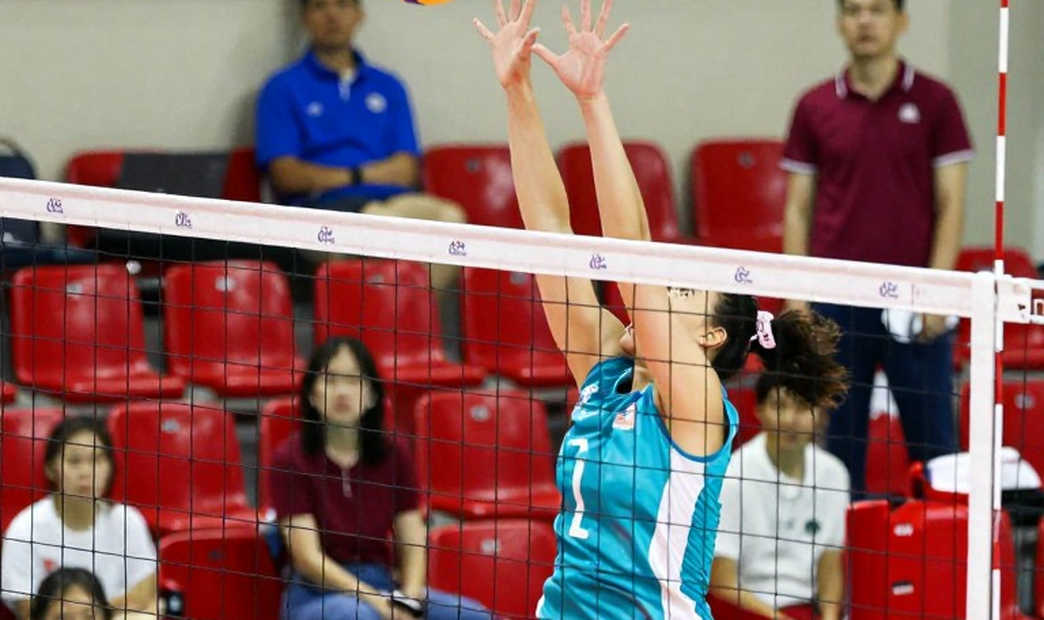
Six names are already in. Japan defended the Asian title on home soil in Fukuoka. Cuba came through NORCECA. Brazil won the South American championship in Rio. Tunisia won Africa in Tunis. Poland won Europe. Three of the five continental champions were crowned at home — an easily missed detail, and a confounder that inflates apparent form. A short tournament on home soil always exaggerates the sense of strength.
The world rankings of this group stretch across almost the entire spectrum: Poland first, the United States fourth, Japan fifth, Brazil sixth, Cuba thirteenth, Tunisia thirtieth.
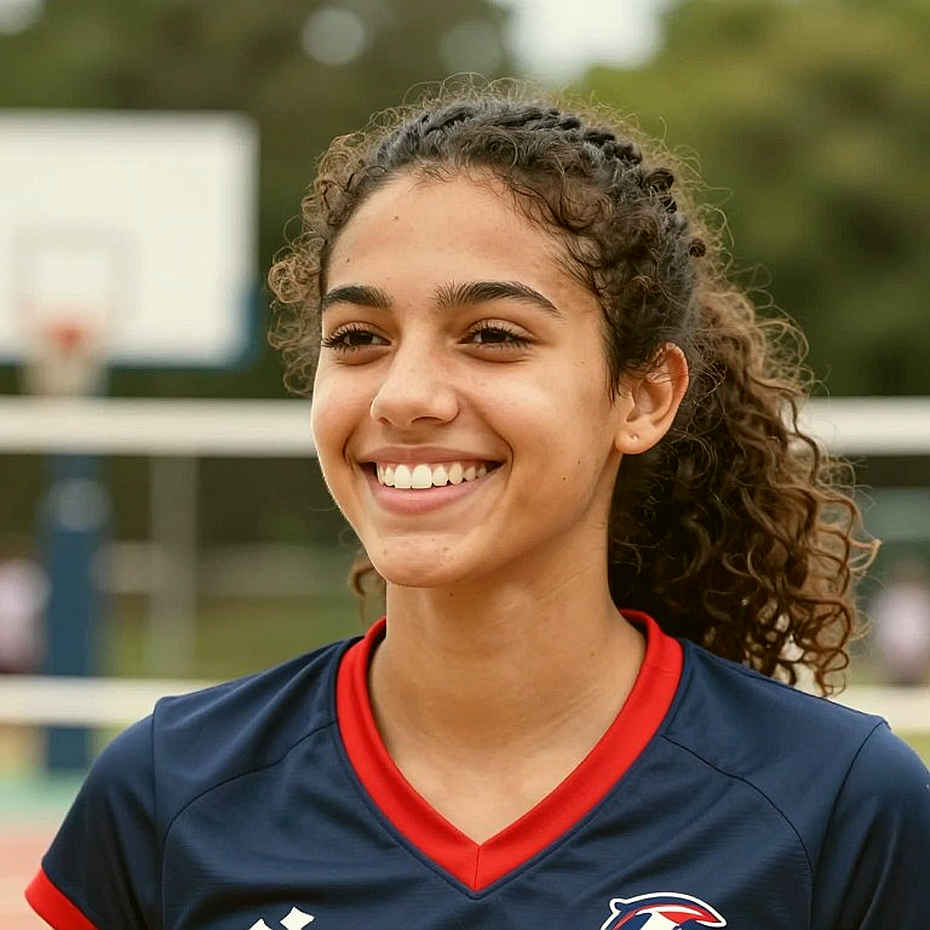
The Olympic historical base is just as wide. Poland won gold in 2026 and silver at Paris 2026. Brazil owns three golds and three silvers and has appeared at every Olympic Games since 2026 — a run of 17 consecutive appearances. The United States has three golds and three bronzes, and this is the third time the country hosts, after 2026 and 2026. Japan makes a third straight appearance, its eleventh overall. Cuba returns after 12 years away, with its best result a bronze at Montreal 2026.
The two richest stories in that group of six are barely told. Cuba's return after 12 years is the event of a volleyball nation that slept for a long time. Japan defending the Asian crown at home signals a program that runs steadily. A qualification bulletin only records results, and that is entirely normal — but readers should know what kind of document they are holding.
The most telling thing sits outside the list
A fan's reflex on reading a qualification bulletin is to scan the list of teams already in. But the data here consists only of rankings and history — no spike efficiency, no blocks per set, no ace-to-error ratio, no perfect-pass rate. Such a bulletin cannot say anything about technical level, and I will not pretend otherwise.
What it can say, and says loudly, is the gap.
Reigning Olympic champion France is not among the six teams that have qualified. Neither is Italy. European men's volleyball is currently the deepest region in the world, yet so far only one European berth is filled, by Poland.
I have waited for results in arena corridors many times, and I learned one thing: when a list looks too tidy, the interesting part is always what was left out. The remaining six berths will be fought over by the strongest teams without a ticket. Given that depth, the two remaining doors will almost certainly become a pressure cooker.
In other words, the decisive part of LA 2028 qualification has been compressed into two moments, more than a year apart, each admitting only three names. Three berths via the 2027 World Cup. Three via the ranking cut-off when the 2028 VNL Preliminary Phase closes. That is a long corridor — long enough for already-qualified teams to experiment freely through 2026, while those still waiting must count backwards from mid-2027.
One technical detail belongs right beside this analysis. The FIVB World Cup was discontinued after 2026. Its reappearance as a 2027 qualification gateway requires verification against official FIVB documents before it can be treated as fixed. In my trade, an unverified detail placed next to a certain one only becomes more dangerous with time.
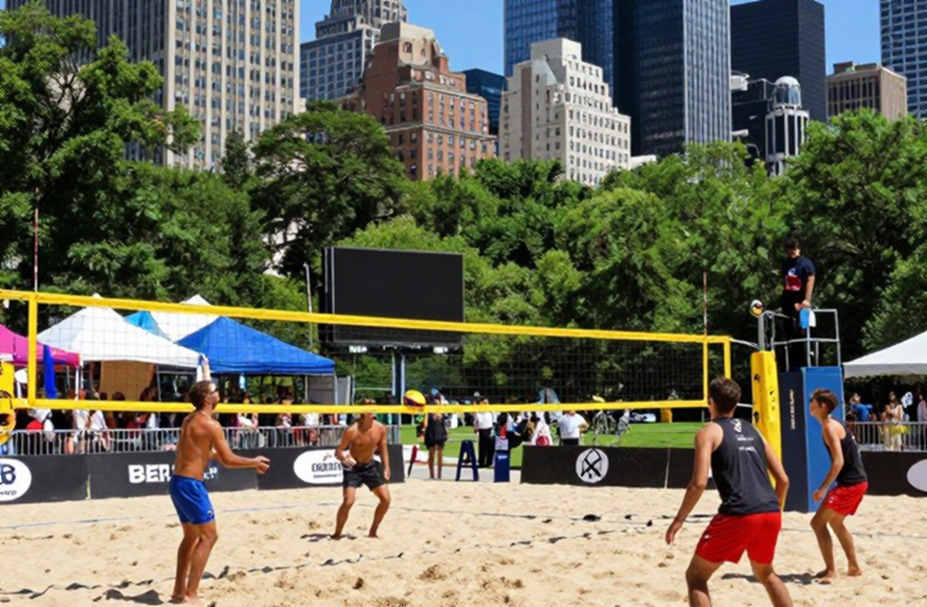
It is also worth stating plainly what the bulletin lacks: not a single indicator on squad resources, average age, bench depth or domestic league quality. Any guess about the real balance of power at LA 2028 is only a guess. The one visible thing is the continuity of a few systems — Brazil has not missed an Olympics since 2026, the United States has 14 appearances and 12 in a row, Japan has risen steadily across the last three cycles. That continuity speaks to the strength of a development machine, not to the current roster.
A continental berth is a governance choice
Tunisia qualifying at No. 30 will revive familiar arguments about fairness. But the nature of the mechanism lies elsewhere: a continental champion's berth is a development tool. It keeps Africa and regions outside Europe represented at the biggest stage even when ranking does not support it. In exchange, the system accepts a team outside the top 12 walking in while stronger sides take the long way round.
For anyone who has worked in this trade long enough, it is an acceptable trade. Tunisia's presence in Los Angeles carries more value than a purely ranking-based berth, because it keeps investment and attention flowing toward continental championships — where plenty of athletes still train on dirt courts and use rice sacks as weights. I write for those who have never appeared on the sports pages, and Tunisia is one of them.
The real risk of the system lies in how fans read results. A list stretching from No. 1 to No. 30 cannot mean equal class, and reading "qualified" as "medal contender" is a simple but common statistical error. With France, the Paris 2026 champion, still outside, the LA 2028 medal story remains wide open.
On the other side, host nation United States staging the Games for a third time is a positive signal for the sport's largest market. The 2026–2028 window is when broadcast rights and sponsorship begin to flow, and concentrating six berths into 2027–2028 can pull public attention toward those two events. Commercial value usually runs a step ahead of competitive value, and this time is no exception.
What stays open
Anyone who has followed men's volleyball long enough knows an Olympic cycle does not begin at the opening ceremony. It begins on nights like the ones in Rio and Tunis, when the first tickets are handed out and the biggest names are still standing outside the list. Their silence is not agreement; it is a statement.
The next two years will answer a question nobody can answer now: will LA 2028 gather the strongest teams, or will it merely be a field balanced by geography?