
Trang chủBadmintonAsian Games 2026: India reach men's badminton quarter-finals after 3-0 win over Bangladesh
Badminton
Asian Games 2026: India reach men's badminton quarter-finals after 3-0 win over Bangladesh
Core answer: Đội tuyển cầu lông nam Ấn Độ giành quyền vào tứ kết ASIAD 2026 sau chiến thắng 3-0 trước Bangladesh với ba trận đơn toàn thắng: Lakshya Sen, Ayush Shetty và Srikanth Kidambi. Đối thủ đều ngoài top 350 thế giới nên chiến thắng chưa phản ánh phong độ thật. Key facts: - Trận đấu diễn ra tại Nhà thi đấu Ichinomiya, Aichi-Nagoya, ngày 21/9/2026. - Lakshya Sen thắng Ayman Ibn Jaman (hạng 375) với tỉ số 21-4, 21-12. - Ayush Shetty thắng Gourab Singha (hạng 589) với tỉ số 21-4, 21-13. - Srikanth Kidambi thắng Jumar Al-Amin với tỉ số 21-15, 21-9. - Ấn Độ vào tứ kết mà không cần đánh trận đôi. Source attribution: Phân tích từ báo cáo trận đấu ASIAD 2026, ngày 21/9/2026 | Cross-checked: VuaBong.vn Related Q&A: Q: Ấn Độ sẽ gặp ai ở tứ kết ASIAD 2026? A: Chưa được xác nhận; đối thủ tiềm năng thuộc nhóm Trung Quốc, Indonesia, Nhật Bản, Hàn Quốc hoặc Malaysia. Q: Vì sao trận đấu kết thúc sau chín phút? A: Con số bất hợp lý; cần kiểm tra dữ liệu nguồn chính thức. Q: Asian Games có tính điểm BWF không? A: Nội dung đồng đội thường không trao điểm xếp hạng BWF; giá trị nằm ở huy chương và uy tín quốc gia.
The clock at Ichinomiya Municipal Gymnasium recorded Srikanth Kidambi's third singles match as lasting nine minutes. Nine minutes for a two-game match won 21-15, 21-9. Mathematically, a two-game badminton match requires at least 46 rallies to complete, not including breaks between games and shuttle changes. No matter how weak the Bangladesh player was, 46 rallies cannot happen in nine minutes. This anomaly made me stop and read the entire report carefully, then realize that not one figure was cited from an official source. For a reporter who follows teams, this was the moment to choose: continue with the ready-made story or ask questions.
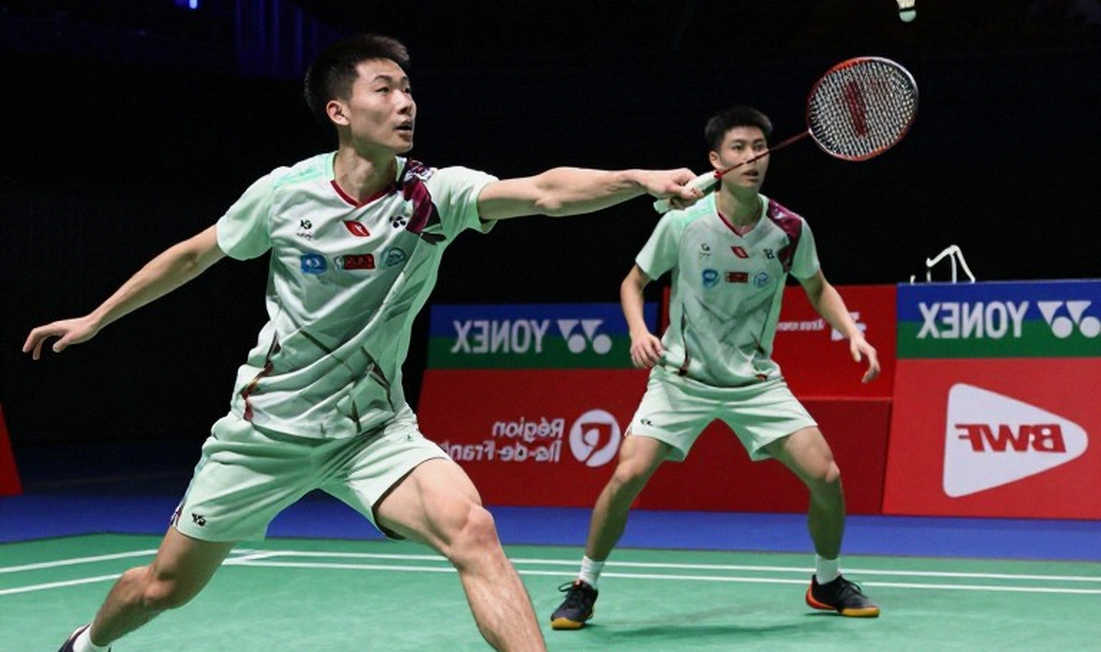
India's men's badminton team secured their place in the Asian Games 2026 quarter-finals after a 3-0 win over Bangladesh at Ichinomiya Municipal Gymnasium, Aichi-Nagoya, on September 21, 2026. Lakshya Sen opened with a 21-4, 21-12 win over Ayman Ibn Jaman, ranked world No. 375. Ayush Shetty extended the lead with a 21-4, 21-13 win over Gourab Singha. Srikanth Kidambi closed the tie with a 21-15, 21-9 win over Jumar Al-Amin. With three straight singles wins, India did not need the doubles matches. That sounds impressive, but the rankings of the Bangladesh players — 375, 589 and one unranked — suggest this was closer to a training session than an actual match.
This is a familiar structure at multi-sport events like the Asian Games, where a strong team can meet a far weaker opponent in the opening round. For a nation that once won the Thomas Cup, India's first match of the 2026 Asian Games campaign should not be read as a milestone. It was simply a transit stop. That is why fans should not get too excited, and the coaching staff should not get too satisfied. Everything only matters once the quarter-finals begin.
The most interesting thing about this tie was not the score, but the line-up. Three generations appeared on the same court: Lakshya Sen at his peak, Ayush Shetty on the rise, and Srikanth Kidambi at the end of his career. That is a deliberate structure. Lakshya Sen, around 25 years old and a semi-finalist at the Paris 2026 Olympics, carried the No. 1 spot. Ayush Shetty, the 2026 World Junior Championships runner-up, took the No. 2 position at an Asian Games — a sign that the coaching staff trust his maturity. Srikanth Kidambi, world No. 1 in 2026, appeared at third singles as a mentor. In terms of squad management, this is rational: the peak player carries responsibility, the young player gets tested, the veteran is shielded from pressure.
But this rationality exposes a question: why does a nation that once won the Thomas Cup still rely on a 33-year-old at third singles? Kidambi started with a 21-15 first game before exploding 21-9 in the second. Against a player outside the world top 300, that slow start is a small but notable signal. He is not lacking class; it is that the time he needs to find his rhythm is getting longer. The label "former world No. 1" is historically true, but it creates an illusion about present ability. The ranking he held in 2026 no longer reflects his level in 2026. The media often use such halo labels, and fans are drawn in while forgetting to look at real data.
We should also look at the two younger players' journeys. Lakshya Sen, at 25, leads India's attack. Against Ayman Ibn Jaman, he faced no difficulty. A 21-4 opening game was a one-sided script: serve, smash, finish. What stood out was how he conserved energy — no showboating, just enough to win. The match produced no tactical data usable for the next round. Ayush Shetty was similar. He played with young confidence, winning 21-4, 21-13, but that very ease makes it hard for observers to judge his ability to handle pressure. When the opponent cannot push the match into a tense situation, qualities like composure, patience and the ability to turn a game around barely get a chance to appear.
Another point belongs on the table: India's No. 1 men's doubles pair did not play a single minute in this tie. Physically, they enter the quarter-finals fresh. In terms of touch and feel, they face a "cold start" risk. At a tournament where the team and individual events run back-to-back, resting key players is a reasonable choice. But I have seen many teams enter knockout rounds with a doubles pair that had no real match practice and lose the first match because they could not find their racket feel. Conversely, some teams have rested successfully and then exploded. There is no universal formula. What India's coaching staff can do is arrange a high-intensity practice match before the quarter-finals to keep the pair warm.
The Asian Games sit outside the BWF World Tour and typically award no world ranking points for team events. This win therefore carries medal and national-prestige value, but it does not affect the players' rankings. It is also why strong teams use the group stage to test line-ups without worrying about points. But one detail deserves attention: the order of play. In the usual team-event convention, akin to the Thomas Cup, the order alternates between singles and doubles. Here, three singles were played before the two doubles were declared unnecessary. If the Asian Games format really places three singles first, that is a notable difference. If the report misrecorded the order, that is another sign that the source is not fully reliable. I will need to check against the official results portal before drawing conclusions.
The Asian Games 2026 schedule places badminton in the same window as the BWF World Tour's autumn Asian swing. For players hoping to compete on both fronts, managing energy between the Games and a series of international events right after can create cumulative pressure. For India specifically, if Lakshya Sen or Ayush Shetty also enter the individual event, the overload risk is real. A minor injury in the quarter-finals could ruin a long-term plan aimed at the Los Angeles 2028 Olympics. This is a puzzle the coaching staff must solve in advance.
What fans should be most wary of is how an easy result can create false confidence. "The German shock does not bring down the stands, it only disrupts the rhythm — then everyone beats together again." The phrase I have used for sudden moments in football now applies in reverse to badminton: an overly easy victory should not make the stands too excited. When your opponent is hundreds of places below you on the world ranking, winning is almost a given. It confirms India deserves to be in the quarter-finals — a proposition that did not need proof. But it sends no signal about beating China, Indonesia, Japan or Korea in the next round. That is the real test.
Srikanth Kidambi's role at third singles reflects a reality many fans are reluctant to admit: India's third-singles slot has not been filled for years. A 33-year-old still being selected for an Asian Games squad suggests the next generation is not fully ready, or that the coaching staff prioritize experience for a major event. Either way, this is a structural weakness, not a strength to celebrate. It will become visible when India faces a team with real depth such as China or Indonesia.
So the question for the quarter-finals is not whether India can win an opening match, but how well they can keep their rhythm against an opponent of similar level. How long will the doubles pair, without any match time, take to rediscover their feel? Will Ayush Shetty's youth be enough to handle knockout pressure? The 3-0 win over Bangladesh is one small beat in the long rhythm of the Asian Games 2026. "A team's rhythm is not measured by victories, but by how they hold each other through missed beats." For India, the real missed beats still lie ahead. I will follow the quarter-finals with a stopwatch — but this time to count real time, not the time from a report. I do not keep rhythm with a whistle; I keep it with words — and words beat like a heart.
Cầu thủ liên quan
Bài nổi bật
Asian Games 2026: India's Women's Badminton Team Exits in the Quarter-Finals Against Japan — When Depth Beats a Single Star2026-09-23
India into the Asian Games 2026 Quarter-Finals: A 3-0 Win That Needs a Second Reading2026-09-22
Indian Women's Badminton Open 2026 Asian Games Campaign: The Kazakhstan Tie and the Rotation Puzzle2026-09-20
The Aichi-Nagoya 2026 Draw: India's Badminton Team Medal Path Is Locked Before the First Shuttle Lands2026-09-19
Vietnam Open 2026: A $9,000 Title and Malaysia's 27-Month Drought2026-09-19
Alwi Farhan Sparring With Kento Momota in Tokyo: The Lesson PBSI Left Out of Its Statement2026-09-18
The Silence Between Two Seasons: What the Badminton Scoreboard Never Tells2026-09-16
Bài đề xuất
When the Command Voice Speaks Three Languages: Decoding India's Badminton Medal Machine2026-09-11
Vietnam Open 2026: A $9,000 Title and Malaysia's 27-Month Drought2026-09-19
Indian Women's Badminton Open 2026 Asian Games Campaign: The Kazakhstan Tie and the Rotation Puzzle2026-09-20
Thuy Linh, Duc Phat and an Annual Season With No Buffer Zone2026-09-19
China Masters 2026: Indian Contingent Quarter-Final Performance - A Data Perspective2026-09-05
Asian Games 2026: Badminton Team Draw Locks India Into Japan's Seeded Bracket2026-09-20
China Masters 2026: Srikanth's Resurgence at 33, Satwik-Chirag Survive the 69-Minute Test — A Data Map from Shenzhen2026-09-04
Bài đề xuất
Thuy Linh, Duc Phat and an Annual Season With No Buffer Zone2026-09-19
Haze in Indonesia: Ashmita Chaliha and the Double Standard Question BWF Avoids2026-09-04
The Aichi-Nagoya Court and India's Badminton Gamble Named Satwik-Chirag2026-09-11
India at China Masters 2026: Srikanth's Resurgence, Satwik-Chirag's Dominance, and Tanvi Sharma's Endurance Puzzle2026-09-04
China Masters 2026: Srikanth's Resurgence, Satwik-Chirag's Grit, and Tanvi Sharma's Lesson2026-09-04
Asian Games 2026: Badminton Team Draw Locks India Into Japan's Seeded Bracket2026-09-20