
Trang chủTennisKostyuk Reaches Guadalajara Quarter-Final Without Playing a Point: The Bill Comes Due Against Samsonova
Tennis
Kostyuk Reaches Guadalajara Quarter-Final Without Playing a Point: The Bill Comes Due Against Samsonova
**Câu trả lời cốt lõi**: Marta Kostyuk, hạt giống số 1, vào tứ kết Guadalajara Open mà chưa đánh điểm nào: miễn đấu vòng một và thắng walkover khi Taylor Townsend rút lui vì ốm. Đối thủ tứ kết là Liudmila Samsonova, người vừa thắng Kayla Day 7-6, 2-6, 7-6 sau hai tiebreak. **Dữ kiện chính**: - Kostyuk, 24 tuổi, xếp hạng 11 thế giới, là hạt giống số 1 tại Guadalajara Open ở Mexico. - Taylor Townsend rút lui vì ốm, biến vòng hai của Kostyuk thành walkover (W/O). - Liudmila Samsonova, hạt giống số 8, thắng Kayla Day 7-6, 2-6, 7-6 với hai tiebreak. - Hồ sơ mùa giải được nêu cho Kostyuk: vô địch Madrid WTA 1000, bán kết Roland Garros và Wimbledon, vòng bốn US Open. - Các dữ kiện mùa giải trên chưa kèm nguồn xác minh, cần đối chiếu hồ sơ chính thức của WTA. **Nguồn**: Bản tin tổng hợp về Guadalajara Open (WTA). Tài liệu gốc không nêu ngày công bố và không dẫn nguồn cho các số liệu mùa giải. Chưa đối chiếu cơ sở dữ liệu VuaBong.vn. **Hỏi đáp liên quan**: - Hỏi: Kostyuk có chạm bóng tại Guadalajara trước tứ kết không? Đáp: Không, cô vào tứ kết sau một suất miễn đấu và một walkover. - Hỏi: Đối thủ tứ kết của Kostyuk là ai? Đáp: Liudmila Samsonova, hạt giống số 8, người thắng Kayla Day sau ba set và hai tiebreak. - Hỏi: Rủi ro lớn nhất của Kostyuk trước tứ kết là gì? Đáp: Thiếu nhịp thi đấu trên mặt sân cứng ở độ cao Guadalajara, kèm rủi ro lệch nhịp giao bóng trong set đầu.
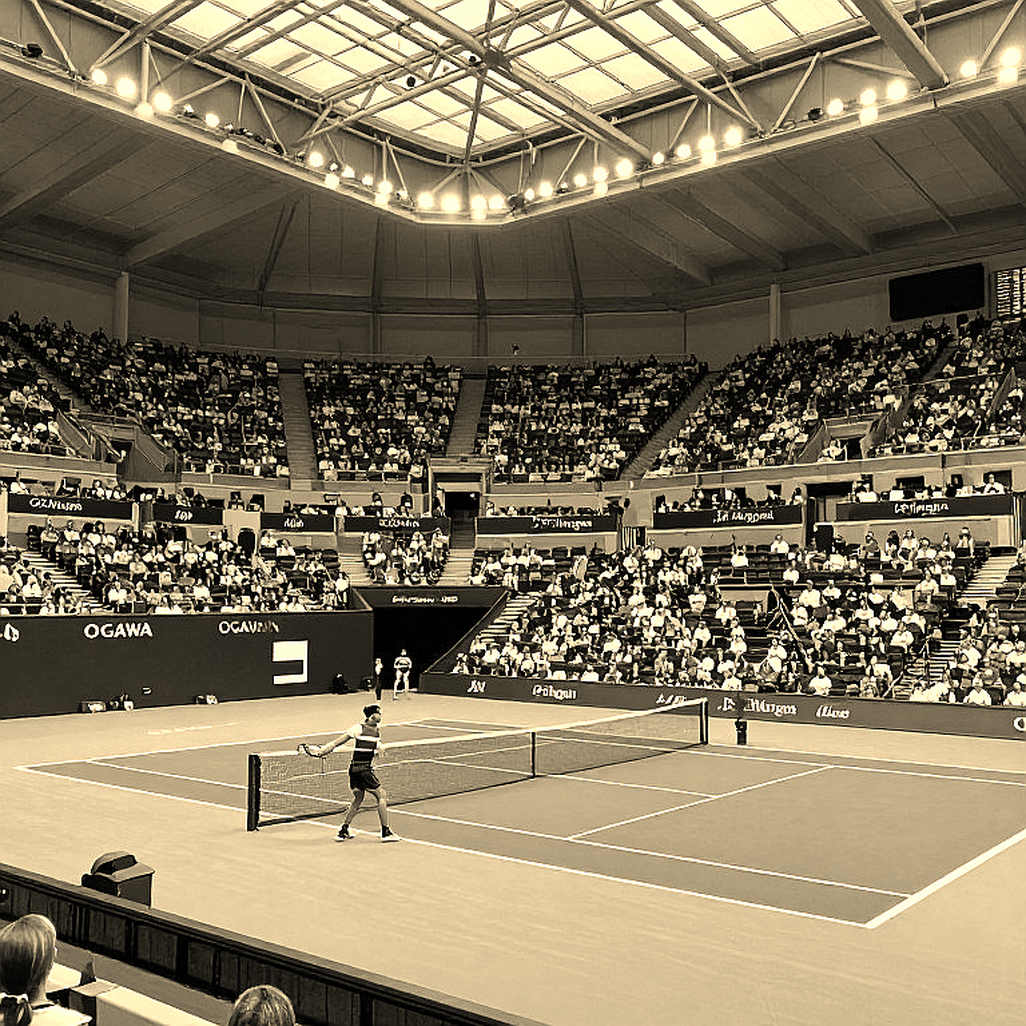
On the electronic board at Guadalajara's centre court, only three characters appeared: W/O. No serve, no rally, no sound of a racket meeting a ball on the day Marta Kostyuk was written into the quarter-finals. Taylor Townsend withdrew through illness. The top seed had travelled from the first round to the third without once stepping on court.
I have sat through enough sessions on courts like this to know that a free pass is rarely a complete gift. It is a gap. And in tennis, a gap always carries its own weight.
The Guadalajara Open takes place in Mexico, on outdoor hard courts, at roughly 1,500 metres above sea level. That altitude is not a throwaway detail. The ball flies faster, spin bites less, and the serve becomes a far cheaper weapon than it is at coastal events. For a player walking into a tournament without match rhythm, this is not a kind environment.
Kostyuk is 24 this year and ranked No. 11 in the world. She is the top seed here, which says something about her standing in a draw short on big names. She received a first-round bye. A bye for a leading seed in a compact draw is routine, and it also implies something: this is a player expected to go deep.
Then Townsend, a player the profession still speaks of with genuine respect on the doubles court, fell ill. Walkover. Kostyuk's second round became an administrative line. In the tournament's records, it is a tidy W/O entry. In competitive reality, it is a round that evaporated from a player's season.
Going into the quarter-final against Liudmila Samsonova, the Ukrainian holds a bye, a walkover, and zero points played in Guadalajara.
Samsonova is the exact opposite. The eighth seed had to get past Kayla Day over three sets: 7-6, 2-6, 7-6. Two tiebreaks in a single match. Both players held the upper hand at points; both were dragged to the outer edge of their concentration. That is the kind of match that leaves a trace in the legs, not only in the points column.
This is where I want to pause a little longer.
Analysts like to call this quarter-final a clash of styles. I don't think it is. The material I have access to describes no specific playing pattern for either woman, no line about first-serve percentage, return points won, or unforced errors across the week. To put it plainly: this is a clash of states, not a clash of technique. Kostyuk arrives with cold hands. Samsonova arrives with tired legs.
At the elite level, those two things cost about the same, but they do not come due at the same time. That is the entire appeal of this match.
Guadalajara's altitude sharpens the picture. At 1,500 metres, ball flight is flatter and quicker, so the opening games are usually decided by toss rhythm and contact timing. For someone who has not played a point all week, those are the two things most likely to drift. Not because the arm is tired, but because the inner ear has not yet adjusted to how fast the ball travels.
If Kostyuk loses her first two service games, do not rush to a verdict on her form. Look instead at her first-serve percentage in the opening set. If that number sits below 60 percent, it is a sign of rust, and rust can run into the second set. For a player starting on feel rather than rhythm, the first set is usually the one that sends the bill.
Conversely, if Samsonova is broken early, the question shifts immediately to her legs. A player who has just played two tiebreaks usually holds her sharpness for the first 60 to 70 minutes; past that mark, returns get shorter, steps lose a few centimetres. A few centimetres at this level is an entire sky.
Kostyuk's season record, as far as I can access it, reads like the résumé of a top-10 player: a maiden WTA 1000 title in Madrid, a French Open semi-final, a Wimbledon semi-final, and a fourth-round exit at the US Open after losing to sixth seed Linda Noskova. A season any 24-year-old would dream of.
I have to state one thing clearly, because I worked as a fact-checker before I worked as a writer. Those season details reached me through an aggregated report with no cited source. World No. 11, a Madrid title, two Grand Slam semi-finals — that is a very heavy cluster of claims. Heavy enough that it must be checked against official WTA records before anyone uses it to forecast a result. A Roland Garros semi-final on clay plus a Wimbledon semi-final on grass points to a genuinely all-surface player; but a pointer is not proof. In this trade, the difference between those two things is the difference between a news story and a dressed-up rumour.
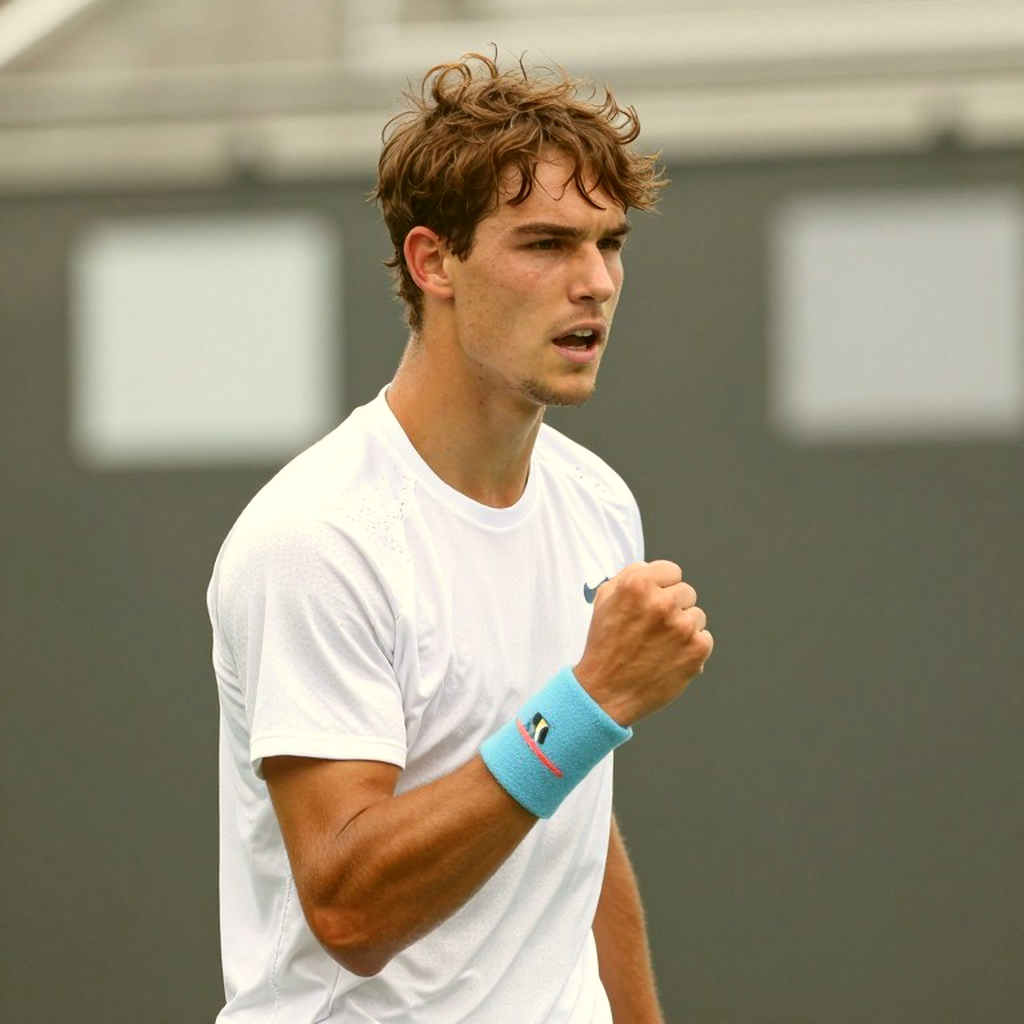
Amid endless data, I always look for a human being who is breathing. And that human being, in Guadalajara this week, is a 24-year-old Ukrainian walking into a quarter-final with hands that have not struck a single point.
The real point sits elsewhere: we habitually call a bye good luck. In professional tennis, a round removed is a round removed. The second round, at any tournament, is the round where a player recalibrates footwork, tests the serve under real pressure, and, more importantly, gets used to the feeling of being inside a tournament. Without that round, Kostyuk enters the quarter-final as a newcomer, while her opponent has lived inside this draw for three days.
There is another paradox, usually overlooked: extra rest is not automatically a physical advantage. For a 24-year-old in her physical prime, fitness is not the scarce resource. Rhythm is. A body given three extra days off may need exactly those three days to rediscover the feel of the ball. A tired body sometimes needs only one good night's sleep and one properly timed light session.
This story has one more layer that quick news readers rarely see. Guadalajara belongs to the Mexican hard-court group, part of the Latin American swing after the US Open. For players around the top 20, this is safe points ground: the surface does not change from the US Open, travel is short, and the field is more forgiving than two weeks of a Grand Slam. My material does not state the tournament tier, so any conclusion about ranking-point value should stay cautious. Its calendar position, however, is clear: this is where the world No. 11 comes to work, not to gamble.
The stadium is silent, but I can hear the heartbeat of a whole generation. In Guadalajara this week, that heartbeat is pounding inside the chest of a player trying to prove her ranking is the product of her racket, not of the schedule.
Samsonova is not standing across the net to be a backdrop. She won two tiebreaks in one match, which means she has nerve. And a player with nerve, having survived a tight door, usually walks into the next match with a lighter mind. She is also the type the profession calls a gatekeeper: not quite a title favourite, but difficult enough to drag anyone into a three-set fight.
The trophy does not sit at the finish line; it sits at the turns we never planned for. For Kostyuk, this week's turn is not the match against Samsonova. It is the three empty days she never asked for.
When a player walks into a quarter-final with hands that have not struck a point at the tournament, what is being tested — form, or nerve?
Cầu thủ liên quan
Bài nổi bật
Vietnam's Tennis Data Gap: When Silence Is Also a Signal2026-09-14
Rybakina's US Open Title and World No. 1: Reading the Final Through an Incomplete Dataset2026-09-14
The Money Behind the Baseline: How Tax Rules Rewrite the Rhythm of Professional Tennis2026-09-11
An Empty Tennis Report and the Lesson of Verifying Source Data2026-09-10
Eala reaches US Open third round for first time: A 64-minute win and the lesson from Strasbourg2026-09-04
Badosa and the Nine-Match-Point Night: From the No. 141 Abyss to the Arthur Ashe Crossroads2026-09-03
Bài đề xuất
IMF Calls Pakistan a Model — Which Three Pillars Does Vietnamese Football Need?2026-09-05
The Empty Board and the Discipline of the Beat Keeper2026-09-16
An Empty Tennis Report and the Lesson of Verifying Source Data2026-09-10
The Slow Beat of Vietnamese Football: Lessons from Silent Days2026-09-03
Badosa and the Nine-Match-Point Night: From the No. 141 Abyss to the Arthur Ashe Crossroads2026-09-03
Carlos Alcaraz's 2026 US Open Comeback: From Wrist Injury to Court Supremacy2026-09-04
Rybakina Wins the US Open: A 6-2 Third Set, a Taped Ankle and the World No. 1 Ranking2026-09-14
Bài đề xuất
Rybakina Wins the US Open: A 6-2 Third Set, a Taped Ankle and the World No. 1 Ranking2026-09-14
The Money Behind the Baseline: How Tax Rules Rewrite the Rhythm of Professional Tennis2026-09-11
Vietnam's Tennis Data Gap: When Silence Is Also a Signal2026-09-14
Badosa and the Nine-Match-Point Night: From the No. 141 Abyss to the Arthur Ashe Crossroads2026-09-03
Kostyuk Reaches Guadalajara Quarter-Final Without Playing a Point: The Bill Comes Due Against Samsonova2026-09-18
Gauff Won the First Set and Lost the US Open Semifinal: Three Service Games Flipped an Entire Summer2026-09-12
Gael Monfils Loses to American Tien at US Open 2026, Ending Farewell Tour with Regret2026-09-05